Introduction.
Website design is constantly evolving, and what looked modern a few years ago can quickly feel outdated today. In 2026, businesses are no longer competing only on products and services, but also on digital experience. A website is often the first point of contact between a business and its customers, which means design plays a major role in trust, conversions, and brand perception. This is why understanding the latest website design trends is essential for any business that wants to stay relevant and competitive in today’s digital world.
As more companies invest in online presence, users have become more demanding. They expect fast loading pages, clean layouts, mobile-friendly designs, and interactive experiences. A poorly designed website can instantly drive potential customers away, no matter how good the business is. That is why following modern website design trends is no longer optional, it is a necessity for growth.
Trend 1: Minimalist and Clean Website Design
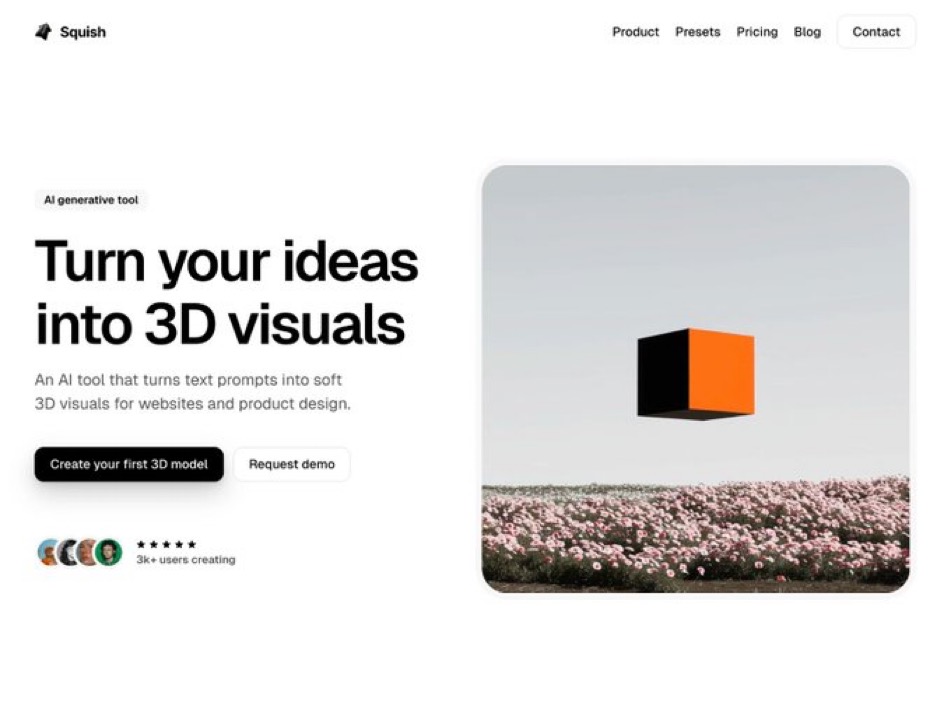
One of the strongest website design trends in 2026 is minimalism. Modern users prefer simple, clean websites that are easy to navigate and not overloaded with unnecessary elements. Minimalist design focuses on clear layouts, plenty of white space, and only essential content. This approach improves readability, reduces distractions, and helps visitors find information faster.
From an SEO and user experience perspective, minimalist websites also perform better because they load faster and are easier to optimize. Businesses are moving away from heavy animations and cluttered pages, and instead choosing clean designs that highlight their message, services, and calls to action. This makes minimalist website design both a visual trend and a performance-driven strategy.
Trend 2: Mobile-First Website Design.
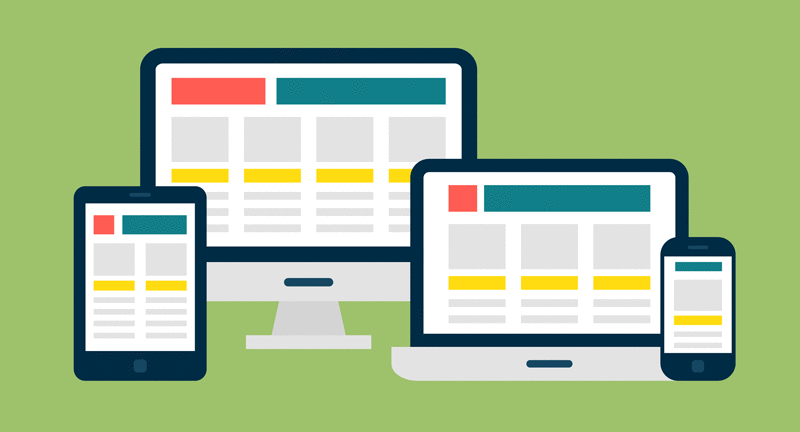
Mobile-first design is no longer just a trend, it is a standard. In 2026, most website traffic comes from mobile devices, which means websites must be designed for small screens before desktops. A mobile-first website is built with smartphones in mind, ensuring that text is readable, buttons are easy to click, and layouts adapt smoothly to different screen sizes.
Google also prioritizes mobile-friendly websites in its rankings, which means mobile-first design directly affects SEO. Businesses that ignore mobile optimization risk losing both users and search visibility. A modern website designer must therefore focus on responsive layouts, fast loading speeds, and touch-friendly interfaces to meet current user expectations.
Trend 3: AI-Powered and Personalized Experiences.

Artificial intelligence is becoming a major part of modern website design. In 2026, more websites are using AI to personalize user experiences based on behavior, location, and preferences. This includes features like smart chatbots, personalized product recommendations, and dynamic content that changes depending on the visitor.
Personalized website design improves engagement because users feel that the website understands their needs. For example, an ecommerce website can show different products to different users based on their browsing history. This not only improves user experience but also increases conversion rates, making AI-powered design a key trend for business growth.
Trend 4: Dark Mode and Accessibility
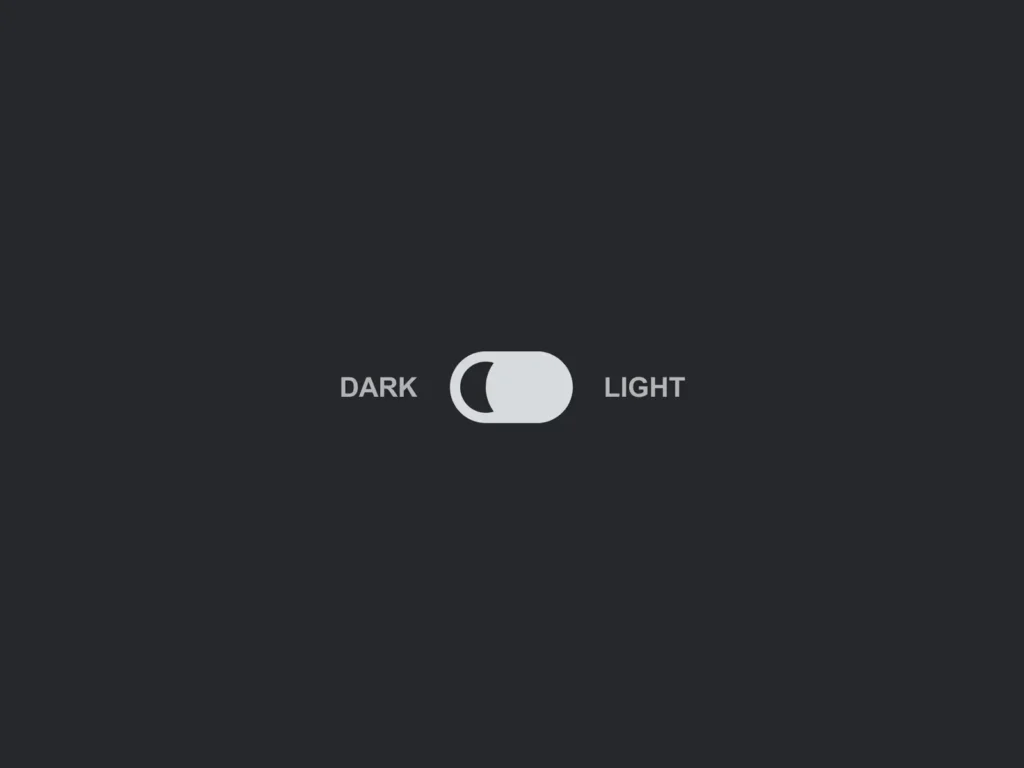
Dark mode has become increasingly popular, and in 2026 it is considered a standard feature for modern websites. Dark mode reduces eye strain, saves battery on mobile devices, and gives websites a sleek, modern look. Many users now expect websites to offer both light and dark themes.
At the same time, accessibility is a major design focus. Websites are being built to support users with disabilities by using proper contrast, readable fonts, keyboard navigation, and screen reader compatibility. Accessible website design not only improves usability but also helps businesses comply with global web standards and reach a wider audience.
Trend 5: Interactive and Micro-Animations
Another strong trend is the use of subtle animations and interactive elements. Instead of large flashy animations, modern websites use micro-animations such as hover effects, button transitions, and smooth scrolling. These small interactions make websites feel more alive and engaging without affecting performance.
Interactive design helps guide users through the website and makes actions more intuitive. For example, when a button slightly animates on hover, users immediately understand that it is clickable. This improves user experience and increases the chances of conversions, especially on service and ecommerce websites.
Trend 6: Speed and Performance-Focused Design.
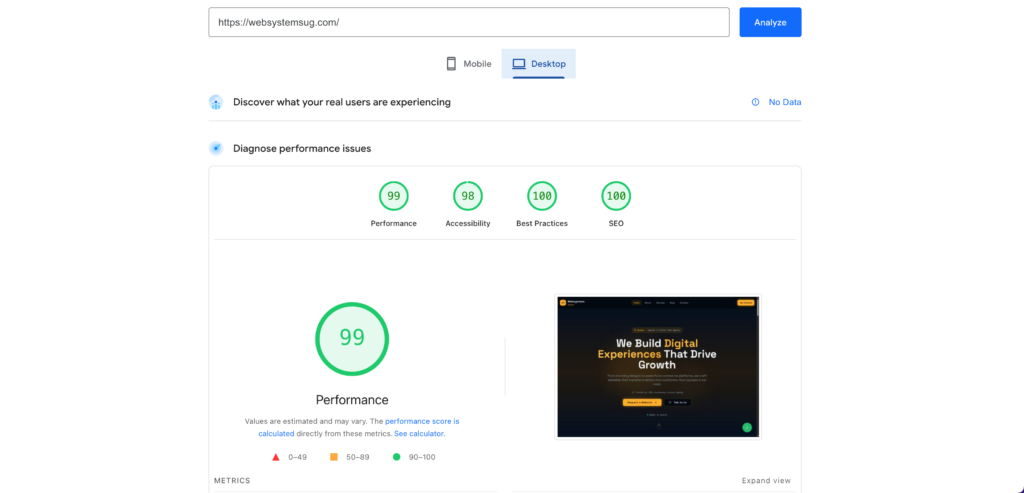
In 2026, speed is one of the most important factors in website design. Users expect websites to load in less than three seconds, and anything slower leads to high bounce rates. Modern website design therefore focuses heavily on performance optimization, including lightweight frameworks, optimized images, and efficient code.
Google also uses website speed as a ranking factor, which means faster websites rank higher in search results. This makes performance-focused design both a user experience trend and an SEO strategy. Businesses that invest in fast, optimized websites gain a competitive advantage in both traffic and conversions.
Why These Trends Matter for Your Business
- Following website design trends is not just about looking modern, it is about staying competitive in a digital-first world. A website that feels outdated can damage your brand image and reduce customer trust. On the other hand, a modern website builds credibility, improves user experience, and increases the chances of turning visitors into paying customers.
- For businesses offering website design services, these trends also provide excellent blog content opportunities. Writing about modern website design positions your brand as an authority and attracts clients who are actively searching for professional designers. This makes trend-based content one of the best strategies for both SEO and lead generation.
Leave a Reply