Have you ever wondered how some blogs seem to dominate Google search results while generating thousands—or even millions—of dollars every year?
Many people assume successful blogs make money simply because they attract a lot of visitors. While traffic is important, the real secret lies in how that traffic is monetized.
The highest-ranking blogs on Google have developed sophisticated systems that turn readers into revenue through multiple income streams. Instead of relying on a single source of income, they combine advertising, affiliate marketing, digital products, sponsorships, and memberships to create highly profitable online businesses.
Let’s explore the five primary ways top-ranking blogs generate consistent monthly revenue.
Why Ranking #1 on Google Is So Valuable
When a blog ranks at the top of Google’s search results, it gains access to highly targeted visitors who are actively searching for information, products, or solutions.
Unlike social media traffic, which often disappears after a few hours, Google traffic can continue flowing for months or even years after a blog post is published.
This creates a powerful business asset.
A single article ranking for a high-volume keyword can attract thousands of visitors every month without ongoing advertising costs.
The question then becomes:
How do successful blogs turn those visitors into income?
1. Display Advertising
One of the most common revenue streams for successful blogs is display advertising.
When visitors browse a blog, advertisements are displayed throughout the website. The blog owner earns money whenever these ads are viewed or clicked.
How It Works
Advertisers pay advertising networks to place ads in front of relevant audiences.
The network then shares a portion of that revenue with the blog owner.
The more traffic a blog receives, the more advertising income it can generate.
Premium Ad Networks
Many top blogs eventually qualify for premium advertising networks that pay significantly more than basic ad platforms.
These networks often require substantial traffic levels before accepting publishers.
Benefits include:
- Higher advertising rates
- Better quality advertisers
- Improved user experience
- Increased earnings per visitor
For blogs generating hundreds of thousands of monthly visitors, advertising alone can produce a significant income stream.
2. Affiliate Marketing
Affiliate marketing is one of the most profitable monetization methods used by successful bloggers.
Instead of selling their own products, bloggers recommend products or services offered by other companies.
When a reader clicks a special tracking link and makes a purchase, the blogger earns a commission.
Why Affiliate Marketing Works So Well
Visitors often arrive on blogs seeking recommendations.
Examples include:
- Best web hosting providers
- Best laptops for students
- Best fitness equipment
- Best accounting software
- Best marketing tools
By providing valuable reviews and recommendations, bloggers help readers make purchasing decisions while earning commissions.
Examples of Affiliate Content
Successful affiliate articles often include:
- Product reviews
- Comparison guides
- Buying guides
- Tutorials
- Resource pages
Some high-performing affiliate articles continue generating commissions for years after publication.
3. Selling Digital Products
Many of the most profitable blogs eventually move beyond advertising and affiliate income by creating their own products.
Digital products offer some of the highest profit margins available online because they can be sold repeatedly without inventory costs.
Popular Digital Products
Examples include:
- eBooks
- Online courses
- Templates
- Design assets
- Business documents
- Marketing resources
- Software tools
- Membership libraries
Once created, these products can be delivered automatically to customers around the world.
Why Digital Products Are Powerful
Unlike affiliate marketing, where commissions are shared with another company, digital product sales allow creators to keep most or all of the revenue.
This makes digital products one of the fastest ways to increase blog profitability.
4. Sponsored Content
As a blog grows in authority and attracts a large audience, brands often become interested in reaching that audience.
One way they do this is through sponsored content.
What Is Sponsored Content?
Sponsored content occurs when a company pays a blog owner to feature its product, service, or brand.
This can take several forms:
- Product reviews
- Sponsored articles
- Brand mentions
- Case studies
- Newsletter promotions
The blog receives payment in exchange for exposure to its audience.
Why Brands Pay for Blog Exposure
A top-ranking blog often attracts highly targeted visitors.
For businesses, gaining exposure to those readers can be extremely valuable.
As a result, successful blogs can command premium sponsorship fees.
Well-established blogs sometimes earn thousands of dollars from a single sponsored article.
5. Premium Memberships and Subscriptions
One of the most reliable revenue models used by top blogs is recurring memberships.
Instead of relying on one-time purchases, blogs create exclusive content or tools available only to paying members.
Subscribers pay monthly or yearly fees for access.
What Membership Blogs Offer
Membership programs may include:
- Exclusive articles
- Private communities
- Industry research
- Premium tools
- Educational resources
- Video training
- Live events
- Expert support
Because payments recur each month, memberships provide predictable income.
Why Recurring Revenue Matters
Many successful bloggers consider memberships their most valuable revenue stream because they reduce dependence on traffic fluctuations.
Even if traffic temporarily drops, recurring subscriptions continue generating revenue.
The Most Successful Blogs Use Multiple Income Streams
The highest-earning blogs rarely rely on just one monetization method.
Instead, they combine several strategies.
For example, a successful blog might generate income from:
- Display ads
- Affiliate commissions
- Digital products
- Sponsored content
- Membership subscriptions
This diversification creates stability and increases overall profitability.
If one revenue source slows down, others continue generating income.
How Long Does It Take a Blog to Make Money?
One of the biggest misconceptions about blogging is that income appears immediately.
In reality, successful blogs often spend months building content and search visibility before significant revenue arrives.
Factors that influence growth include:
- Content quality
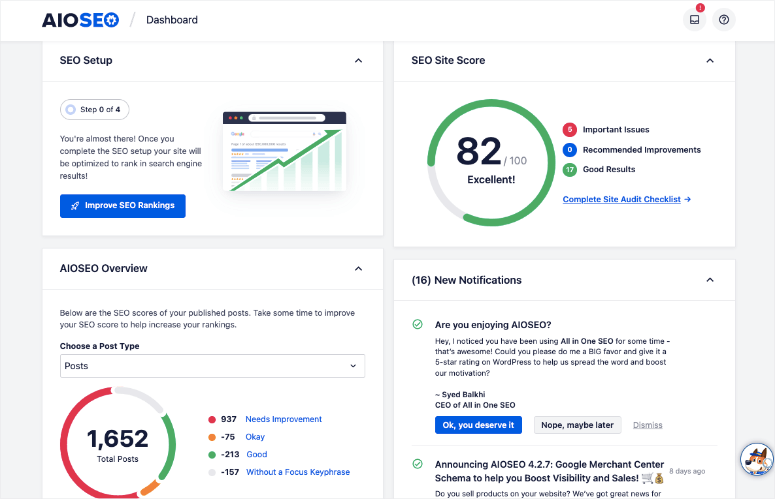
- Search engine optimization (SEO)
- Competition level
- Website speed
- User experience
- Publishing consistency
The blogs ranking at the top of Google today often invested years into creating valuable content before reaching their current position.
Why Website Speed Matters for Blog Revenue
Every monetization strategy discussed above depends on one critical factor:
Traffic.
And traffic depends heavily on website performance.
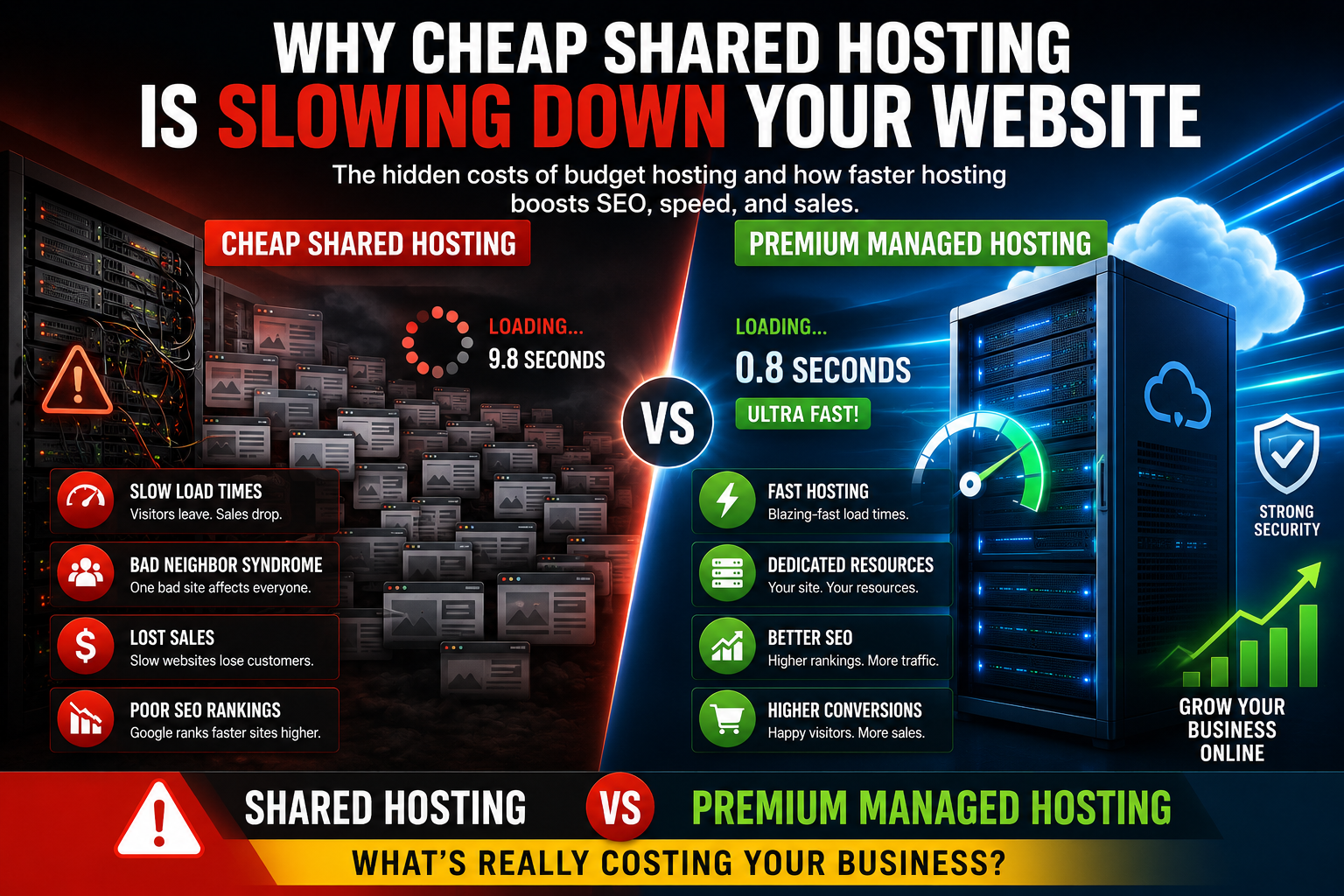
Slow websites often experience:
- Lower Google rankings
- Higher bounce rates
- Fewer page views
- Reduced conversions
That’s why the most successful blogs invest heavily in:
- Fast hosting
- Technical SEO
- Mobile optimization
- High-performance website design
A fast website creates a better user experience and helps content rank higher in search results.

Final Thoughts
The number one blogs on Google don’t make money through luck.
They generate revenue by attracting targeted traffic and converting that traffic into income through multiple proven monetization methods.
The most common revenue streams include:
- Display advertising
- Affiliate marketing
- Digital product sales
- Sponsored content
- Premium memberships
When combined with strong SEO, valuable content, and a fast website, these monetization strategies can transform a blog from a simple content platform into a highly profitable online business.
If your goal is to build a blog that ranks on Google, attracts consistent traffic, and generates real revenue, investing in a professionally built, SEO-optimized website is one of the smartest places to start.