
If you’ve been blogging for some time, you may be wondering how to get your posts to rank higher on Google. High-ranking blog posts not only increase your online authority, but also make it easier for potential clients and customers to find your website through search engines.
The truth is, writing blog posts that rank well may seem difficult, but it’s actually quite simple when you follow proven blogging and SEO best practices. The key is to apply these strategies consistently to every blog post you publish.
In this guide, I’ll share my best tips for creating high-ranking blog posts that work for any industry and help you improve your search engine rankings.
Start With Topic and Keyword Research
Before writing your blog post, you need to clearly define your topic. This helps you stay focused and prevents you from going off track.
Here are some easy ways to find blog topics and keyword ideas:
- Use Google Trends to see what people are searching for and what’s trending.
- Search on Quora to find common questions related to your topic.
- Check “People Also Ask” and “Related Searches” on Google.
- Use Google Ads Keyword Planner to discover relevant keywords.
Example:
If you want to promote cooking utensils, you might research keywords like:
- Cooking
- Baking
- Microwaving
After research, you may find that cooking and baking are more popular, while microwaving has less interest.
It’s usually better to target less competitive keywords like baking, because they are easier to rank for. Start with one or two main keywords per post and keep a list of related keywords for future use.
Decide on Reader Intent
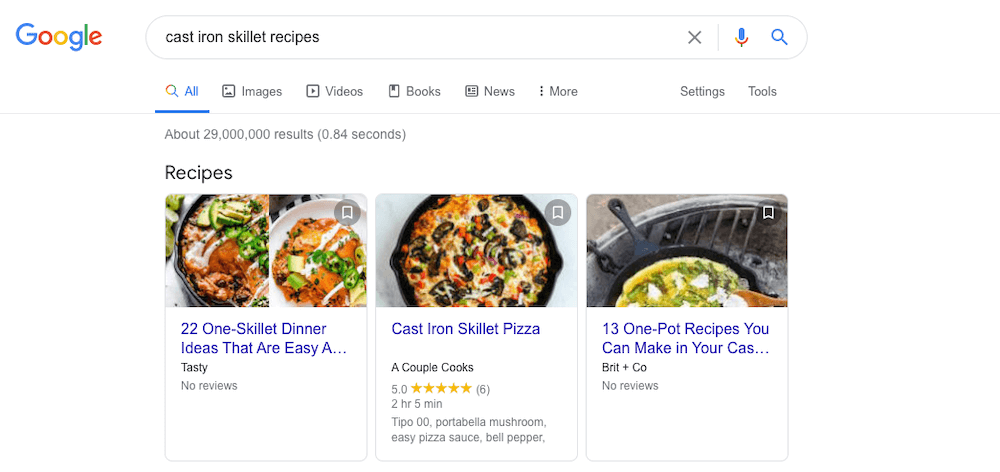
Once you have your keywords, you need to understand why people are searching for them. This is called search intent.
There are four main types:
- Informational – Users want answers or information.
Example: benefits of using a cast iron skillet - Navigational – Users want to find a specific brand or website.
Example: Lodge Cast Iron - Transactional – Users are ready to buy.
Example: 12-inch Lodge cast iron skillet - Commercial (Investigational) – Users are researching before buying.
Example: best cast iron skillet
Your content should always match the user’s intent.
Decide on Content Type.
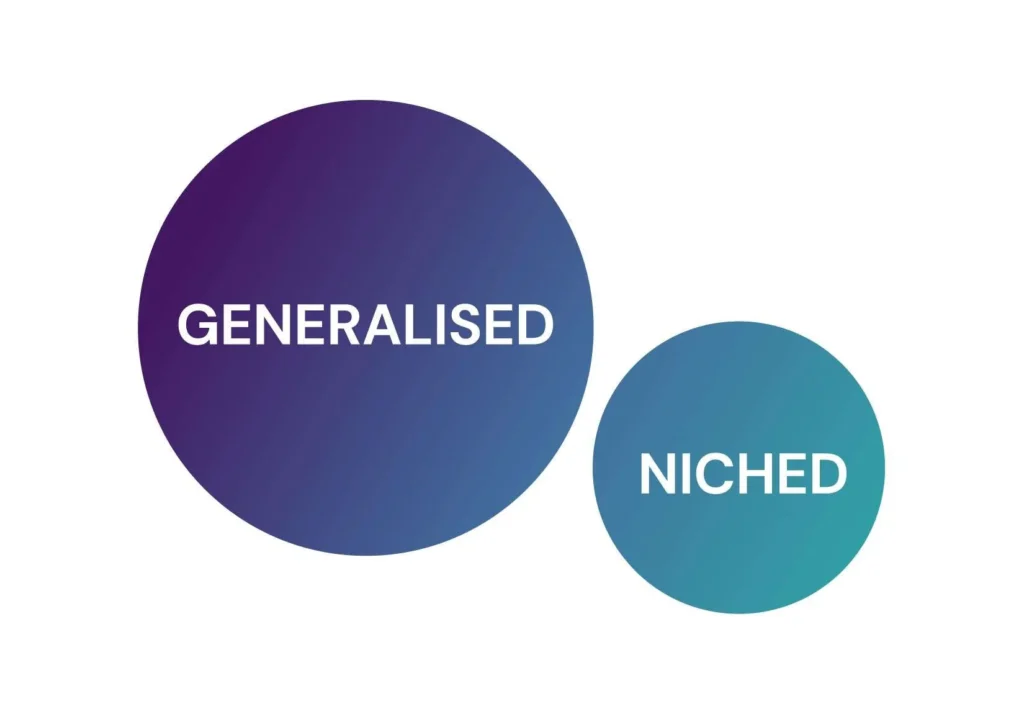
People read blog posts because they want value. Your content should educate, solve problems, or provide useful information.
Popular content types include:
- How-to guides
- List posts
- Reviews
- Videos
- Infographics
- Expert interviews
Always back your content with reliable sources. Search engines prefer content that is helpful, accurate, and authoritative.
Create an Outline
An outline helps you stay organized and cover all important points.
For example, if your topic is “Benefits of Using a Cast Iron Skillet”, your outline might include:
- Introduction
- Benefits
- How to care for it
- Alternatives
- Related articles
How to Structure a Blog Post
A well-structured blog post should have:
1. Introduction (100–200 words)
Introduce the topic and grab the reader’s attention.
2. Main Content (500–1000+ words)
Use H2 headings and go deep into the topic.
3. Subsections (H3)
Break the content into smaller sections for easy reading.
4. Conclusion (Under 100 words)
Summarize and encourage action.
Write Longer Content
Studies show that longer content ranks better on Google.
Aim for at least 1,000 words and provide detailed, useful information.
Optimize Your Images for SEO
Images improve user experience and engagement.
Best practices:
- Add alt text to every image.
- Use descriptive file names instead of random numbers.
- Include keywords naturally in image descriptions.
This helps your images rank in Google Image Search and improves SEO.
Use Keywords Smartly
Keyword tips:
- Use long-tail keywords (less competition).
- Add keywords to your title.
- Use keywords in the first 100 words.
Avoid Keyword Stuffing
Do not overuse your keywords.
Your keyword density should stay below 3%.
Overusing keywords can cause Google to penalize your content.
Add Internal and External Links
- Internal links keep users on your site longer.
- External links build trust and authority.
This improves:
- Dwell time
- Bounce rate
- Overall SEO performance
Ask Questions and Answer Them
Use questions in your content to target Google’s “People Also Ask” section.
This increases your chances of appearing in featured snippets.
Use SEO Plugins (Yoast or RankMath)

SEO plugins help you:
- Optimize titles and meta descriptions
- Improve readability
- Follow on-page SEO best practices
They won’t rank your site alone, but they guide you in the right direction.
Final Thoughts
Writing high-ranking blog posts doesn’t require magic. It only requires:
- Good keyword research
- Understanding user intent
- Proper structure
- Valuable content
- Smart SEO practices
Follow these steps consistently, and your blog posts will have a much better chance of ranking at the top of Google in 2026 and beyond. 🚀
Leave a Reply